


 )
)
CSL Behring
Leading the Way on Serious & Rare Diseases
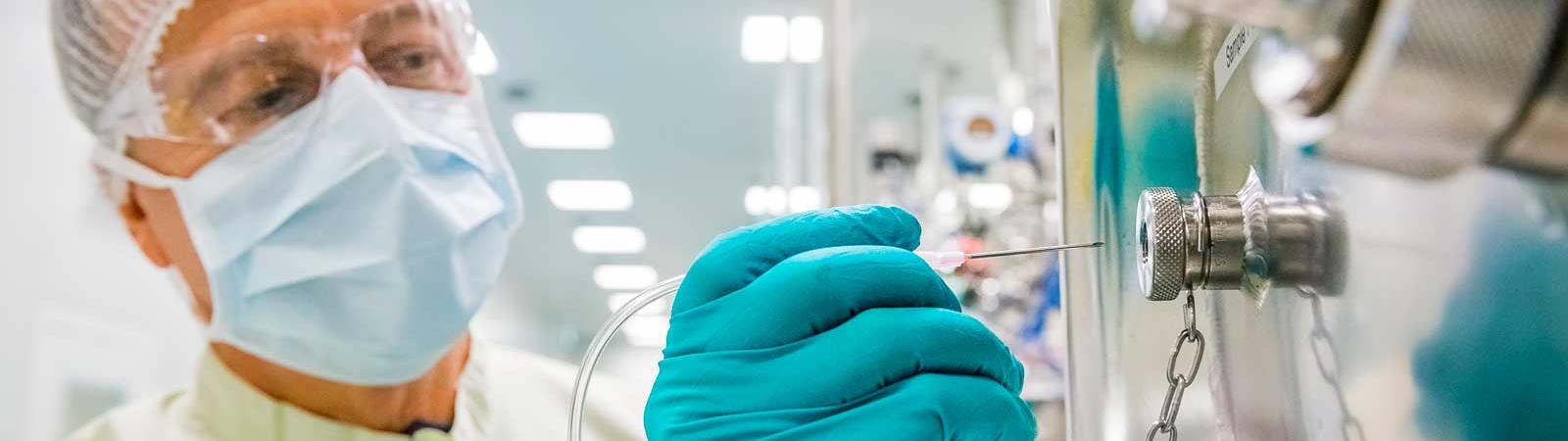
CSL Behring is a global biotherapeutics leader driven by our promise to save lives. Focused on serving patients’ needs by using the latest technologies, we discover, develop and deliver innovative therapies for people living with conditions in the immunology, hematology, cardiovascular and metabolic, respiratory, and transplant therapeutic areas. We use three strategic scientific platforms of plasma fractionation, recombinant protein technology, and cell and gene therapy to support continued innovation and continually refine ways in which products can address unmet medical needs and help patients lead full lives.
Our parent company, CSL, headquartered in Melbourne, Australia, employs more than 32,000 people, and delivers its lifesaving therapies to people in more than 100 countries.
CSL Behring Products
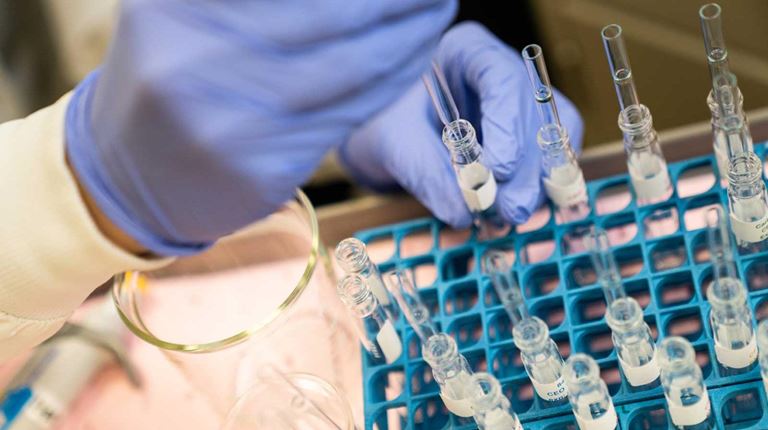
We develop and deliver innovative medicines for treating bleeding disorders, immune deficiencies and chronic inflammatory demyelinating polyneuropathy, as well as hereditary angioedema and Alpha 1 Antitrypsin Deficiency, among others.
Our Products

Achieving better health
CSL Behring's R&D efforts have resulted in a wide range of biotherapy products that have had a lasting impact on human health around the world.

Making a difference with one treatment at a time
We bring to market biotherapy products for rare diseases that might not have been produced otherwise.

Our commitment and delivering our promise
We are committed to delivering value through fulfilling unmet needs and enhancing patient experience. Our promise is to protect the health and well-being of people with life-threatening medical conditions.

Putting Patients First
Our patients are our passion and that drives the way we work. We are committed to full transparency of expectations and outcomes when partnering with them. We listen closely to patients about their experiences and collaborate with them from early research through the delivery of our innovative medicines.
Vita: You Are Not Alone
There is drama and emotion in the promise of biotechnology. We find it in the stories of patients and their families, and in the persistence and resolve of our researchers. And we see it in the drive and enduring optimism of our employees, who are committed to delivering on our promise of a brighter future. Visit our digital storytelling page, Vita, to read inspiring stories.